
How to Find Who Owns a Sanpete County Property
An address is only the opening move. Carrying a Sanpete County property search through the parcel number and the recorded deed is what makes the answer reliable. The Assessor Account Search shows the owner field that feeds the tax roll. That field identifies the parcel. It cannot prove the named person holds the only legal interest, or that a fresh deed has reached the roll yet. The newest Recorder conveyance confirms the transfer and supplies the legal description worth reading.
Owner of record: the name shown in a specific county record, such as the Assessor tax roll or a recorded deed. It does not identify an occupant or guarantee that no other legal interest exists.
- Search the situs address in Assessor Account Search and copy the parcel number.
- Note the Owner field and keep its mailing address separate from the property address.
- Search that name or parcel in the Recorder index for the latest deed as grantee.
- Compare the deed date, grantor, grantee, and legal description with the parcel.
- Check an entity filing or probate file if the named owner is an LLC, trust, or estate.
The method tests one source against another. It first asks who the Sanpete County tax roll names, then checks that name against the recorded transfer, since the deed records show how to read the underlying conveyance.
Sanpete County Property Owner Records Use More Than One Source
No single office holds every answer. The Assessor, the Recorder, and the GIS layer each offer a different owner-related clue, and their fields serve different purposes. When the answer matters, cite the office that created the record and the date it carries.
| Source | What it contributes | Limit |
|---|---|---|
| Assessor Account Search | Owner field, situs and mailing details, parcel reference | Tax-roll name may lag a new filing |
| Recorder deed index | Grantor, grantee, date, instrument and parcel link | Index is a catalog; the image has the terms |
| SGID parcel layer | Mapped parcel and location context | Attributes can be stale; not a title record |
| Utah entity search | Entity status, registered agent, principals and filings | Does not prove entity ownership of a parcel |
Treat these sources as a sequence rather than rivals. An address locates the parcel, the Assessor supplies the tax-roll owner, and the Recorder documents the conveyance. No one public screen resolves every ownership question in Sanpete County on its own.
The Sanpete Account Search is the county entry point for property information.
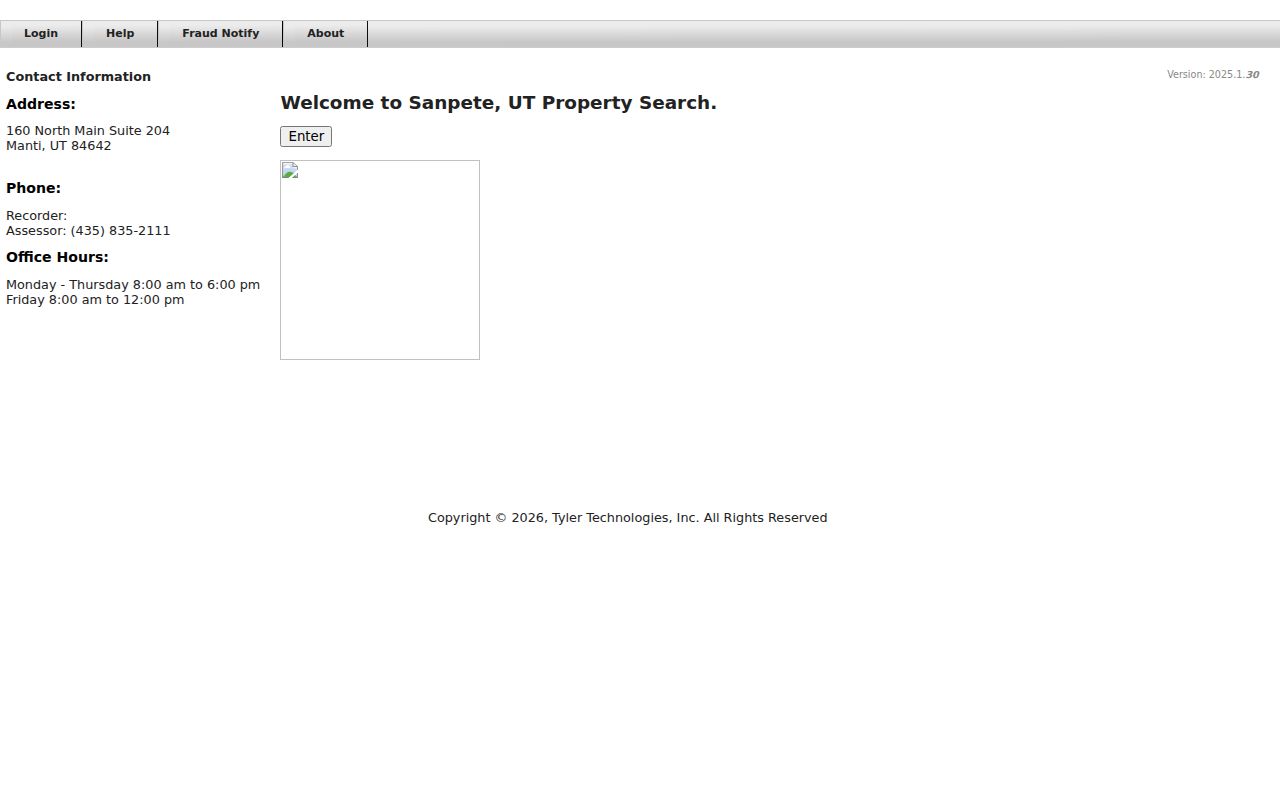
The help screen for the Assessor portal is plain: select Account Search, enter your criteria, and hit Search to view matching parcel records.
Sanpete County Property Owner Fields: Owner, Situs, and Mailing
Three fields cause most confusion. Owner is the name on the Assessor tax roll. Situs is where the land or improvement sits. Mailing is simply where tax notices go. It may fall outside Sanpete County or belong to a trust, estate, lender, or service company. Never substitute one field for another when reporting who owns the parcel. Copy the parcel number and legal description along with the owner name. A street address can miss a rural tract or a lot split. The recorded legal description tells you whether the deed covers the same land. If the portal lists a current-year taxable value, keep that tax year attached to the figure.
Confirm Who Owns a Sanpete County Property in the Latest Deed
The Recorder index reaches back to March 8, 1988 for parcel-linked electronic coverage. Search under the name shown as grantee. Then compare the latest instrument against the parcel. Treat the portal as a catalog. Expect to try spelling variants, since the Recorder itself advises it. Full-resolution images and expanded document data may sit behind a free account login plus payment or a subscription. Before deciding the tax roll and the deed disagree, look for a later corrective instrument or fiduciary deed. A mortgage, easement, lien, assignment, or release can appear in the index without moving fee ownership at all. Timing matters too. A recent transfer may show in the Recorder index. The Assessor Owner field can still lag, and no fixed roll-refresh period is published. The newest deed may name a trustee, personal representative, or company. Confirm the authority and legal description fit the parcel. A related probate order or entity filing may explain the party name. But it never replaces the conveyance itself. A property card and a deed may seem inconsistent. Keep both dates, and ask the Assessor which record backs its tax-roll field. Ask the Recorder for the instrument image or a copy route. That approach leaves a traceable answer rather than a silent pick of whichever screen looks newer. Sanpete's Recorder also links Fraud Notify. A subscriber gets an email alert when a filing uses a selected name or parcel number. That alert can prompt a closer look at the deed records.
When a Sanpete County Property Owner Is an LLC, Trust, or Estate
The deed may name a legal entity. Or it may name a fiduciary rather than any person tied to the address. Search that exact legal name in the Utah Division of Corporations and Commercial Code. Try common punctuation variants too. Its Business Entity Search can return an entity number, status, registered agent, and principal or manager details. It also shows filing history. Those filings help explain an entity name. They do not prove the entity owns a particular parcel. The Utah Business Entity Search is the official starting screen for checking an LLC. It also works for any other named entity.
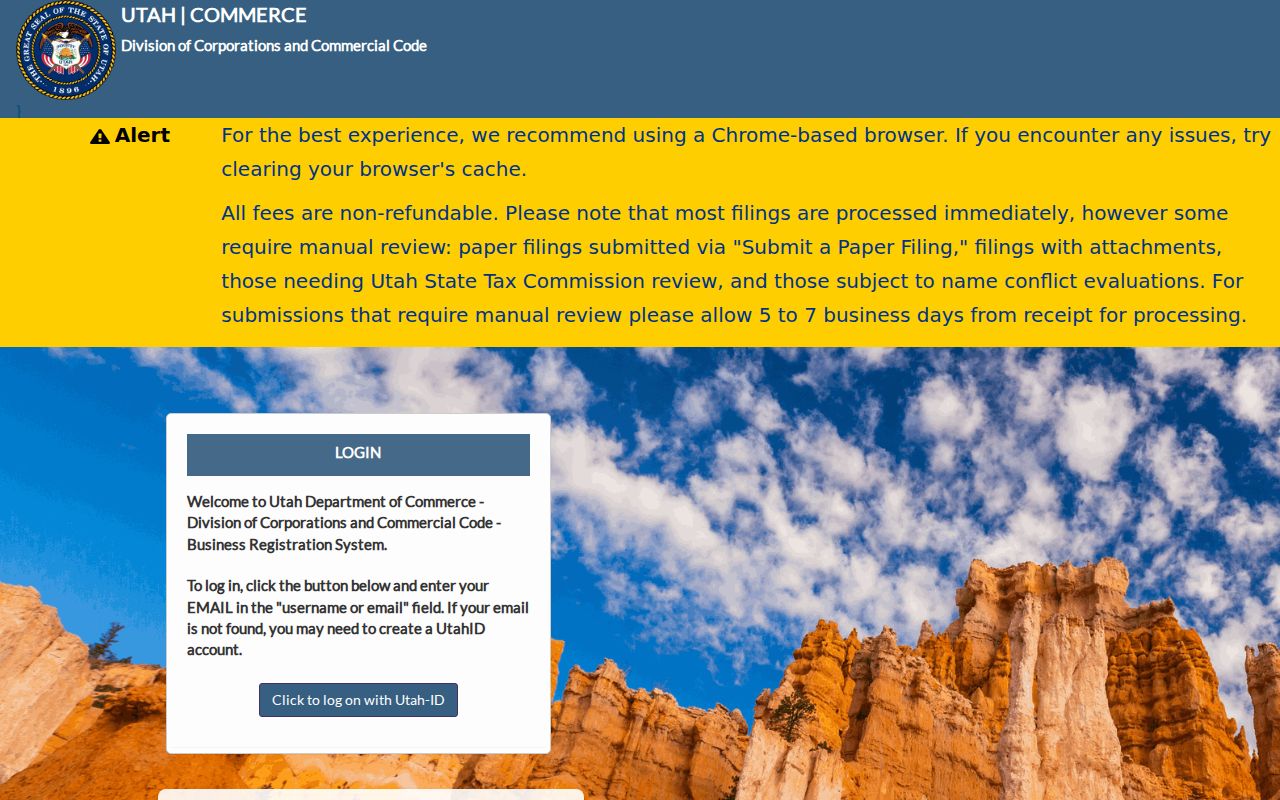
An LLC, trust, or estate adds a layer to any ownership answer in Sanpete County. Pull the entity's exact legal name first. Then go back to the recorded deed. The deed is what confirms the parcel transfer, not the filing alone.
Estates call for side-by-side reading. The probate docket shows the petition or order granting authority, while a personal-representative deed is often the instrument that lands in the land chain. Trusts can be indexed under the trustee, the trust name, or both. Record the names and recording references exactly as written. Guessing who stands behind them is risky.
The Utah entity lookup only reports name and status. An active filing, a registered agent, or a listed principal proves nothing about ownership of Sanpete land. Confirm the parcel link in the Recorder instrument itself. A business filing should never serve as evidence that a given person occupies or controls the property. A court case search is merely a docket lead. When the case outcome matters, request the probate document from the court custodian.
Why Sanpete County Property Owner Results Can Look Stale
Sanpete County never promises a refresh schedule. The Recorder does report property changes to the Assessor. But closings, probate transfers, divorce decrees, and trust changes create timing gaps. Tax sales and corrective deeds do the same. A parcel split can assign a new APN. An older deed may still use the original description. Compare dates and land descriptions before calling a mismatch an error.
A result that looks wrong deserves a wider search. Try current and former names, the parcel number, and the exact legal description. Ask the Assessor how the tax-roll field was sourced. Ask the Recorder for the document image or a copy route. Keep two labels separate. The owner shown on the county tax roll is not always the grantee on the latest deed.
Owner of Record Does Not Mean Occupant
Sanpete County property records identify an owner or an instrument party. That is their limit. They do not show who lives at the address. They do not show who manages an LLC. They also do not show who has permission to enter the land.
Public records can also carry protected or redacted information. Utah's Safe at Home and At-Risk voter protections apply to qualifying address records. Recorded deeds may still display names. They may also display legal descriptions even where other privacy rules restrict data.
Put these records to lawful uses: property research, ownership confirmation, family history, civic questions. Do not infer personal relationships from a parcel result. And never target a person based on one.
What a Sanpete County Property Owner Search Can Establish
Three sources answer three questions. The owner field is a tax-roll statement. The deed is a recorded conveyance. A map supplies geographic context. Together they support a practical answer about who owns property in Sanpete County, but they create no title opinion and may miss unrecorded claims. Older history can also fall before the online index begins, requiring a book, film, or archive search.
Confirm before relying. Cite the source and date for an owner name, read the deed image when possible, and verify unresolved title questions with the appropriate professional. Never use owner information to stalk, harass, or harm anyone.
For a present-day owner-of-record card, see the Sanpete current-owner guide. It also covers the limits of that field.
The reporting rule is simple. Cite the Assessor's owner name as a dated tax-roll field. Then identify the deed behind any newer transfer. If the two point to different parties, preserve the discrepancy. The responsible office or a title professional should resolve it.
Attach the source whenever you use the word "owner." A phrase like "owner field on the Assessor card, checked on the date shown in the search notes" beats an unqualified claim. A court docket, entity filing, or mailing address can help explain a party name. None of them replaces the parcel's recorded conveyance.